Why Balance Matters as You Age
Balance depends on three systems working together: vestibular (inner ear), visual (eyes), and proprioceptive (body position sense). All three decline with age without deliberate training. According to CDC, one in four adults 65+ falls each year, and 20% of those falls result in serious injury.
What Lagree Pilates Actually Is
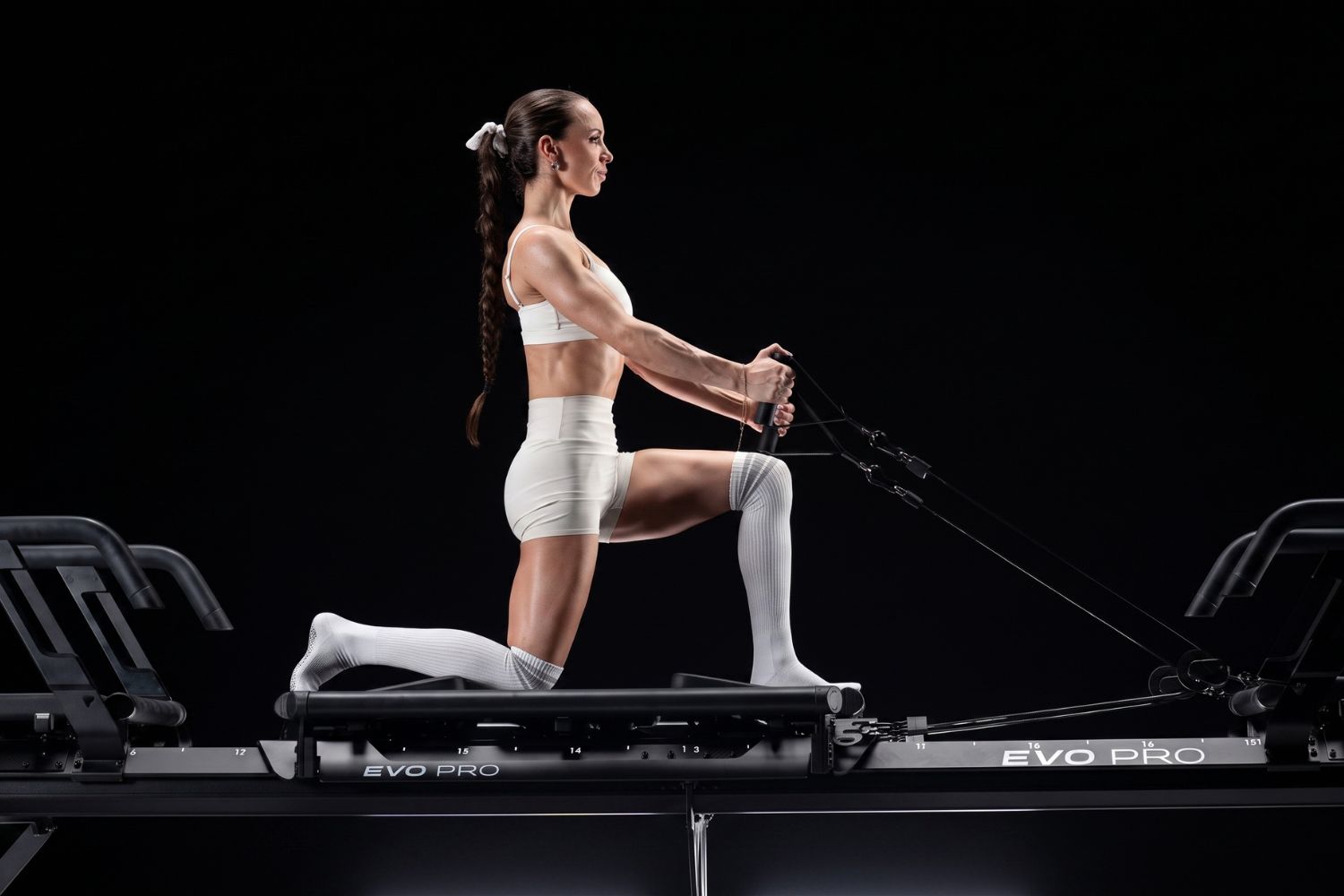
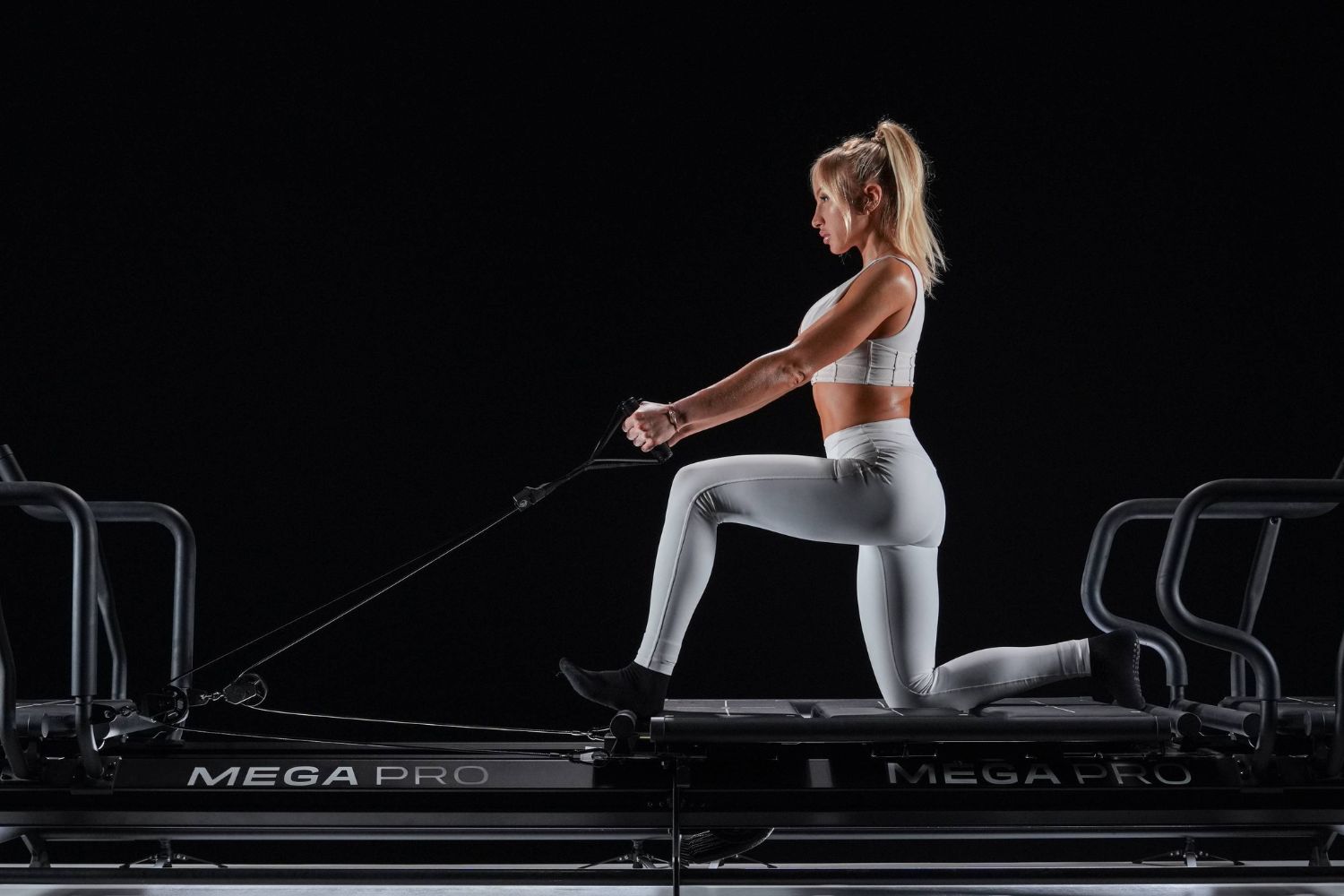
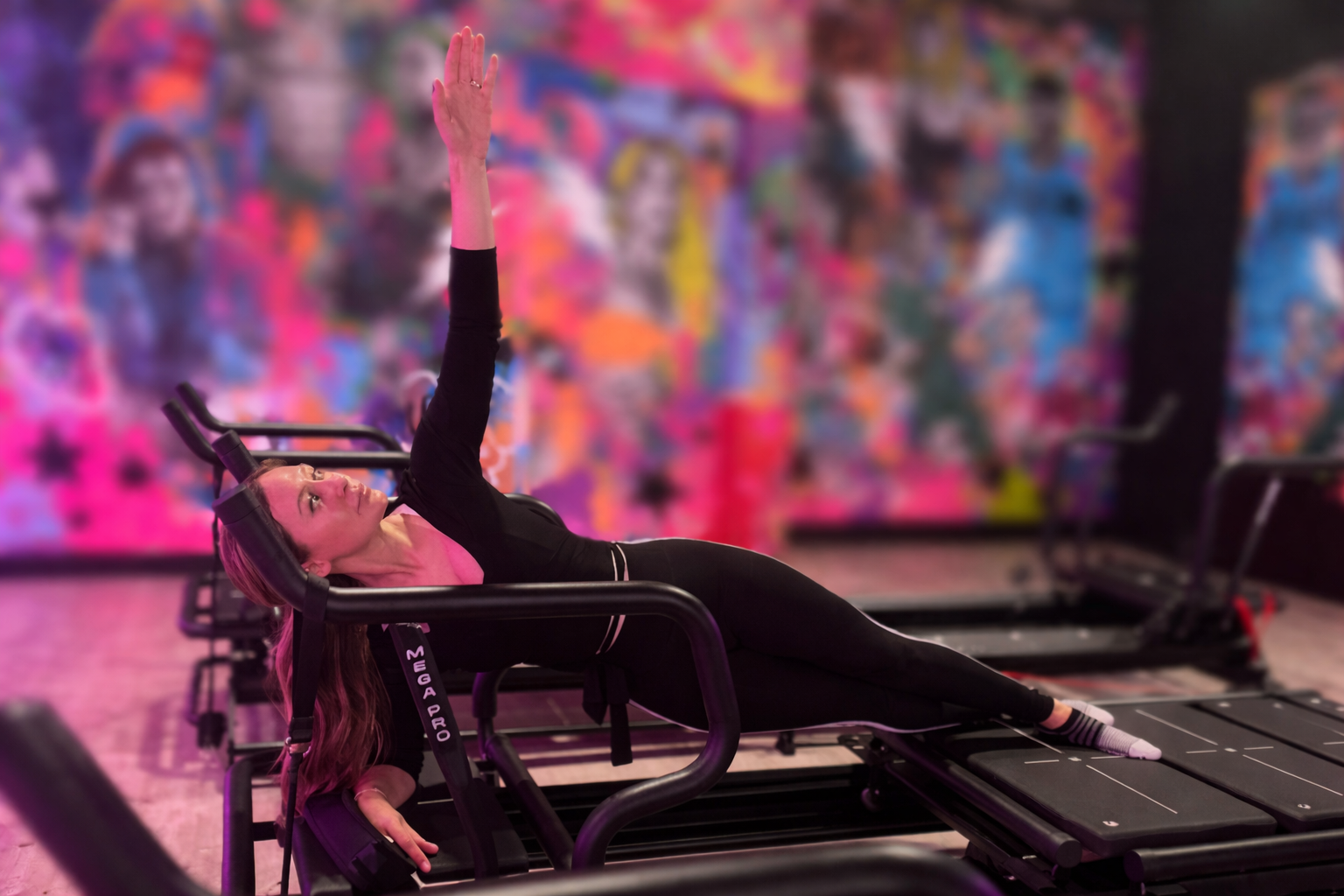
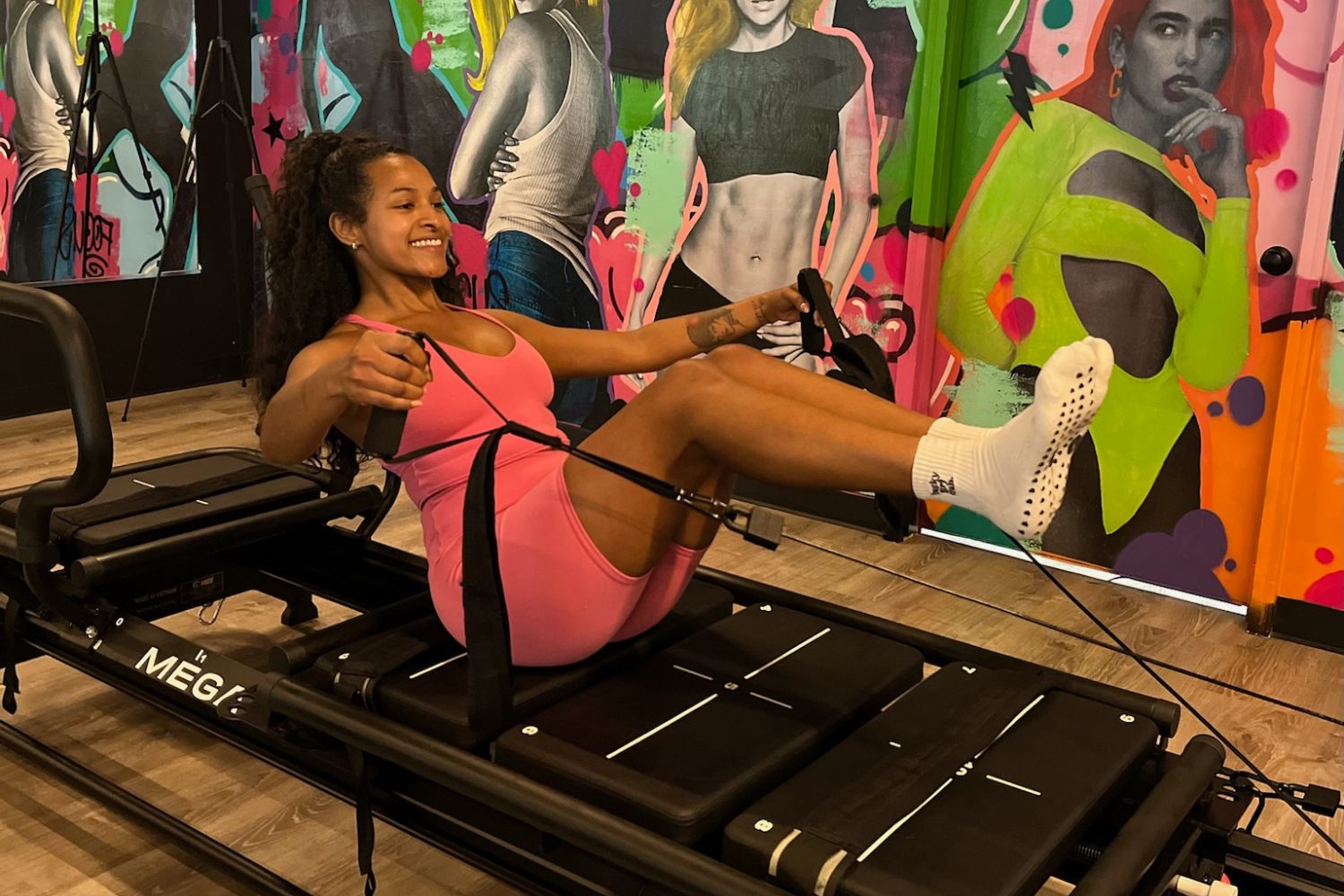
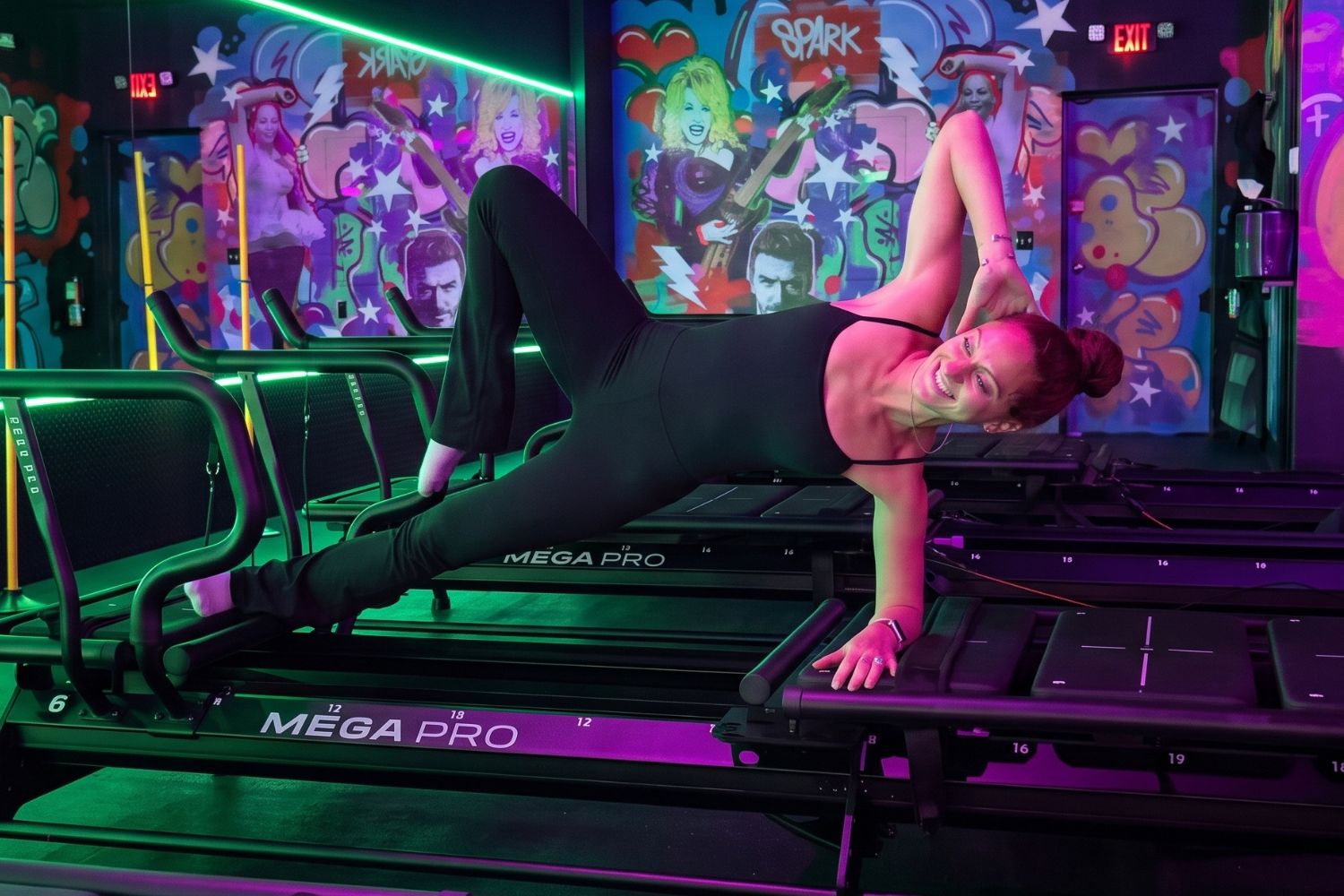
The Lagree workout is a low-impact method performed on a specific machine called the Megaformer. Combines slow, controlled movements with resistance and instability. High muscular tension without high impact on joints. Classes typically 40-50 minutes.
How Lagree Pilates Addresses Balance
Constant Instability
The Megaformer’s moving platform requires constant micro-adjustments to maintain position. Trains the proprioceptive system continuously.
Core Engagement
Every exercise engages core stabilizing muscles. A strong core supports balance across all activities.
Slow, Controlled Movement
Movements at 4-second tempo emphasize control over speed. Builds nervous system connection to muscles.
Single-Side Work
Many exercises work one side at a time. Requires balancing while working. Bilateral coordination training.
Multi-Plane Challenges
Movements in multiple directions and planes. Real-world balance requires multi-plane capability.
Fall Prevention Elements in Lagree Pilates
Ankle Stability
Ankle strength and mobility are critical for falls. Lagree challenges ankles throughout many exercises.
Hip Strength
Weak hips contribute to falls. Lagree training strengthens glutes and hip stabilizers extensively.
Reactive Balance
The ability to recover from small stumbles. Constant micro-adjustments build this capability.
Coordination
Complex movement patterns build coordination between systems. Reduces cognitive load of coordinated movement.
Research on Similar Methods
Research on pilates and low-impact resistance training in older adults consistently shows balance improvements. According to peer-reviewed research on PubMed, regular pilates practice improves postural stability, dynamic balance, and confidence in older adults. Lagree specifically studied less extensively but shares core mechanisms.
Realistic Timelines
First 4 Weeks
Learning the equipment and basic movements. Balance improvements begin but still coordinating.
Weeks 4-12
Noticeable balance improvements. Reduced hesitation on stairs, uneven surfaces. Increased confidence.
Months 3-6
Substantial balance capability. Better recovery from stumbles. Improved reactive balance.
Beyond 6 Months
Continued refinement. Maintenance of gains. Additional strength and coordination benefits.
Adaptations for Older Adults
Modified Positions
Some exercises modified for those with joint issues. Instructors should know common modifications.
Slower Progression
Older adults often benefit from slower progression. No rush; consistency matters more.
Class Frequency
2-3 classes per week are typical for meaningful benefit. Sometimes higher for specific goals.
Recovery Time
Adequate recovery between classes. 24-48 hours typically. Older bodies recover slower.
Complementary Exercise
Walking, other activities complement the Lagree class. Not an exclusive training method.
Comparing to Alternatives

vs Traditional Weight Training
Free weight training builds strength but different balance components. Both are valuable for different reasons.
vs Yoga
Yoga builds flexibility and static balance. Different from dynamic balance training in Lagree fitness. Complementary practices.
vs Traditional Pilates
Reformer pilates have similar principles but different intensity. Lagree is typically more challenging.
vs Physical Therapy
Physical therapy for post-injury or specific medical needs. Lagree method for general fitness and prevention. Different purposes.
Safety Considerations
Medical Clearance
Consult healthcare providers before starting, especially over 60 or with health conditions. Some conditions may contraindicate specific exercises.
Instructor Qualifications
Certified Lagree instructors have specific training. Verify certification. Instructor quality affects safety and results significantly.
Progression
Start slower. Progress based on capability, not calendar. Ego-based progression causes injuries.
Communication
Tell the instructor about medical conditions, previous injuries, and concerns. Good instructors adjust accordingly.
Post-Injury
Return after injury with medical clearance and instructor coordination. May need modified progression.
Working with Power Core Studio
Power Core Studio offers lagree pilates classes with certified instructors. See classes and schedule at our website. First time discounts are often available. Consult your healthcare provider before starting.
Class Environment
Class Size
Small classes (typically 8-12 people) allow instructor attention. Larger classes limit personalization.
Equipment Availability
Studios with multiple Megaformers accommodate different schedule needs. Waitlist typical for popular class times.
Beginner-Friendly Classes
Some studios offer beginner-specific classes. Reduces overwhelm and injury risk for first-timers.
Cost Considerations
Per-Class Rates
25-45 per class typical. Higher in premium markets.
Membership Models
Monthly unlimited or multi-class packages. 20-40% savings over per-class.
Long-Term Investment
Regular practice for aging benefits requires sustained investment. Budget accordingly.
Insurance
Rarely covered by insurance. Consider the budget alongside other prevention measures.
Combining with Other Prevention Strategies
Balance-Specific Training
Home balance exercises complement class-based training. Simple exercises like single-leg stands multiply benefit.
Strength Training
General strength training complementary. Not either/or with lagree pilates.
Cardiovascular Exercise
Walking, swimming, cycling. Complements muscular and balance training.
Home Safety
Non-training prevention: home lighting, grab bars, non-slip surfaces, medication management. All part of comprehensive fall prevention.
Vision and Hearing Care
Vision problems contribute to falls. Regular eye and hearing exams are part of comprehensive prevention.
Signs Balance Is Improving
Physical Signs
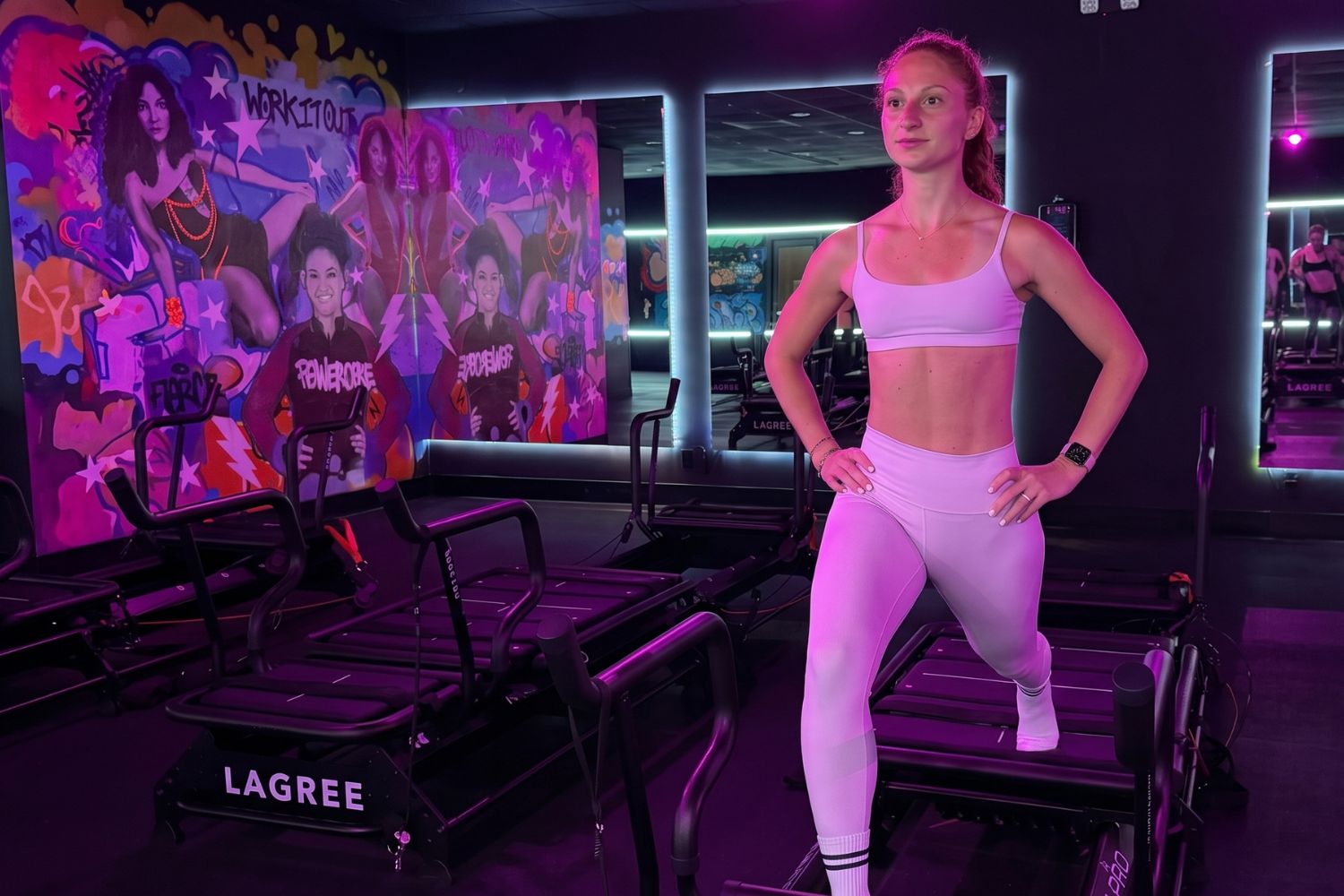
Standing on one leg longer. Less swaying while walking. Descending stairs without holding rail. Recovering from stumbles quickly.
Functional Signs
Confidence on uneven surfaces. Willingness to walk in dim light. Reduced grabbing for support during daily activities.
Subjective Signs
Less thinking about balance during movement. Increased confidence in physical capabilities.
Signs to Adjust Program
Joint pain persisting. Extreme fatigue. Falls or near-falls. Inability to recover between sessions. Consult healthcare providers and adjust with the instructor.
FAQs
Can lagree pilates really improve balance in older adults?
Research on similar methods shows meaningful balance improvements. Lagree specifically shares core mechanisms. Realistic timelines 3-6 months for notable gains.
Is it safe for people over 65?
Generally yes with medical clearance and appropriate instructor. Some medical conditions may contraindicate specific exercises.
How often should I practice?
2-3 times per week typical for meaningful benefit. Consistency matters more than frequency alone.
Do I need to be already fit to start?
No. Beginner classes accommodate various fitness levels. Progression based on individual capability.
Where do I try Power Core Studio?
Visit our website to book. Consult healthcare providers first.