What Counts as Low Impact Exercise
gentle exercise means both feet stay in contact with the ground (or platform) or movements are supported by equipment that eliminates joint-loading impact. Walking, swimming, cycling, elliptical training, rowing, and the Lagree method all qualify. Running, jumping, and high-impact plyometrics do not.
Why Low Impact Matters
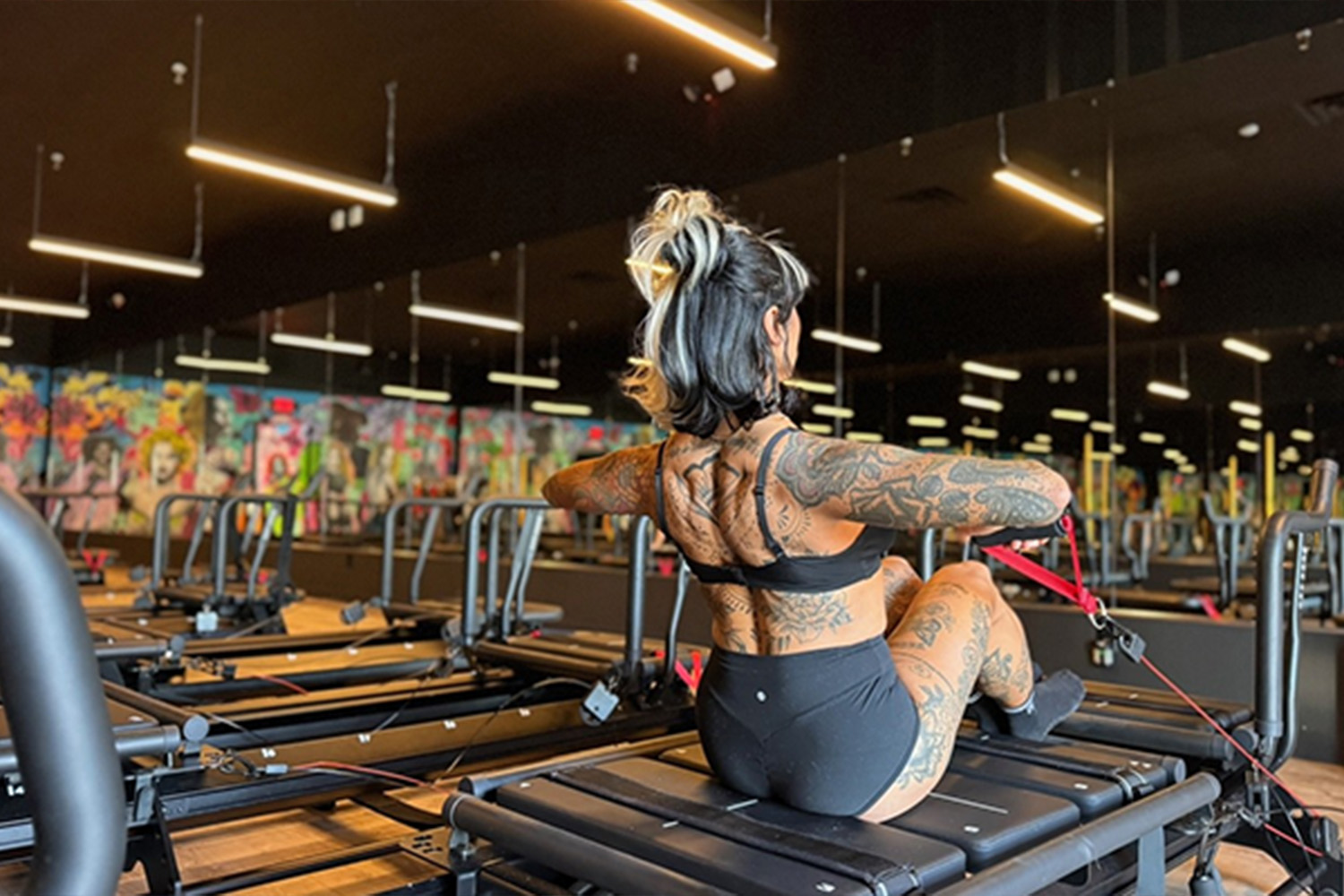
Joint impact loading, particularly from running and jumping, accumulates over decades. Osteoarthritis, meniscal injuries, and chronic pain follow. The American College of Sports Medicine publishes research supporting low-impact alternatives for long-term musculoskeletal health.
The Intensity Question
Low impact does not mean low intensity. A Lagree session, cycling class, or rowing workout can push heart rates to peak levels and produce full-body muscle engagement. Intensity is the driver of adaptation; impact is not necessary for it.
How Lagree Works
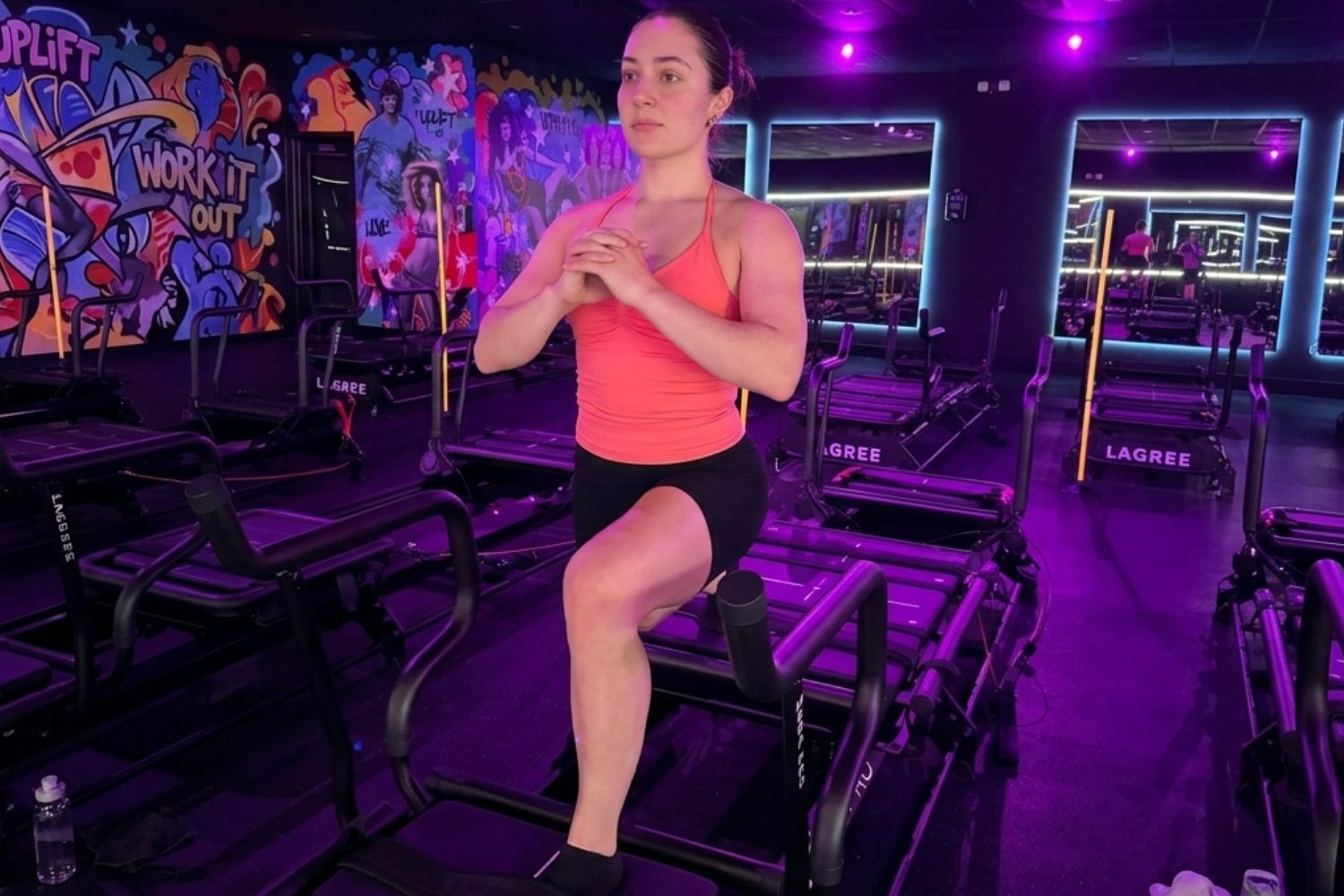
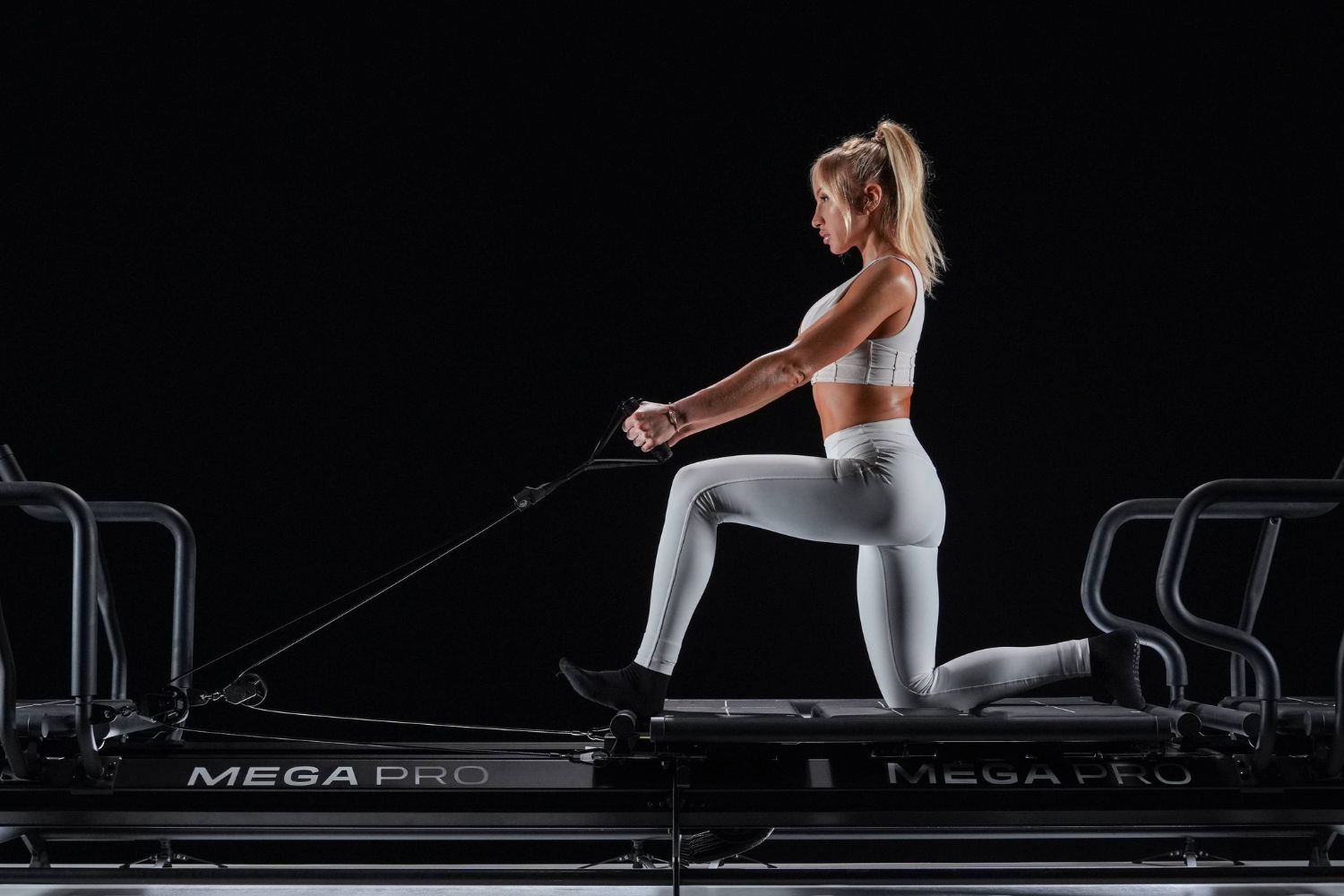
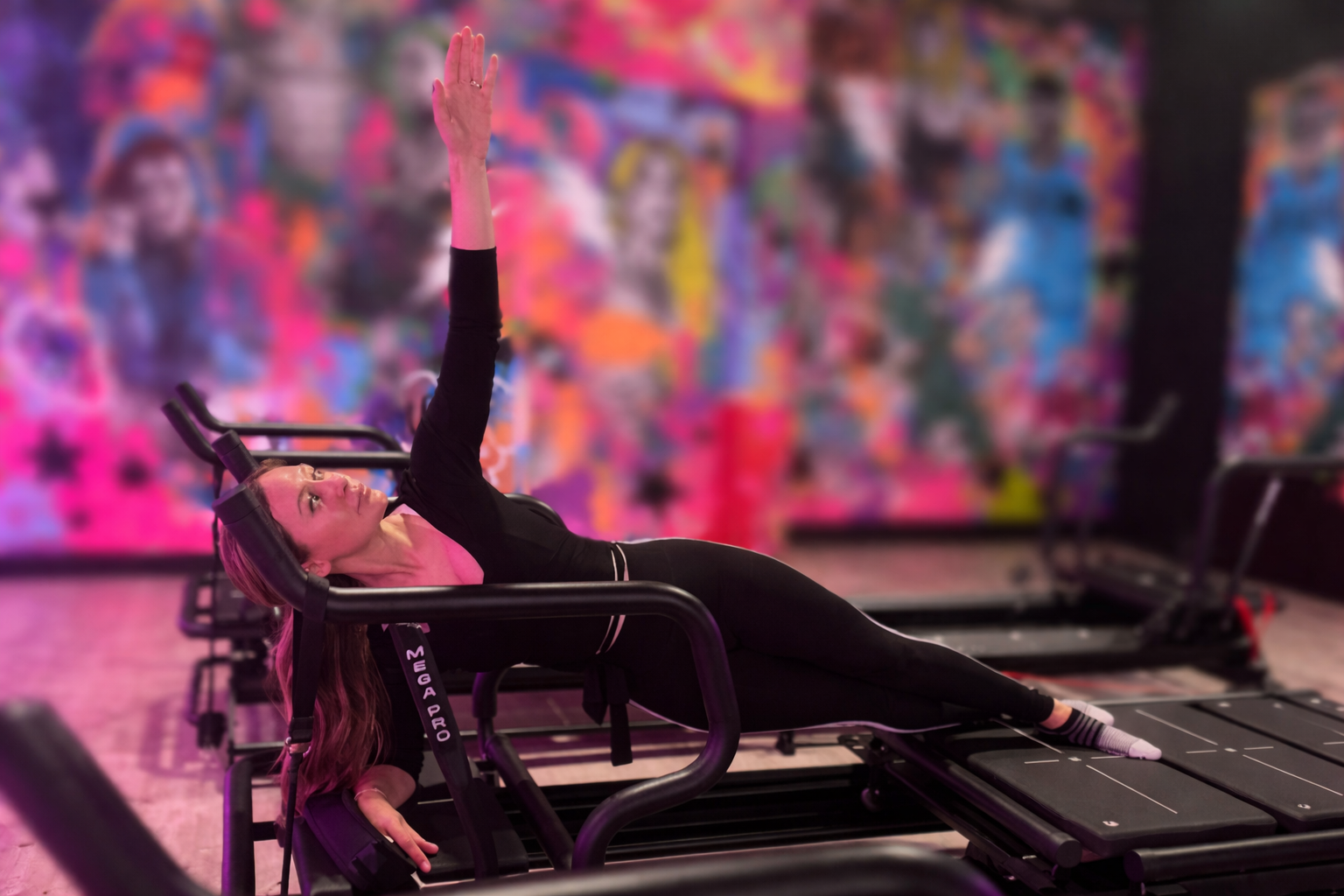
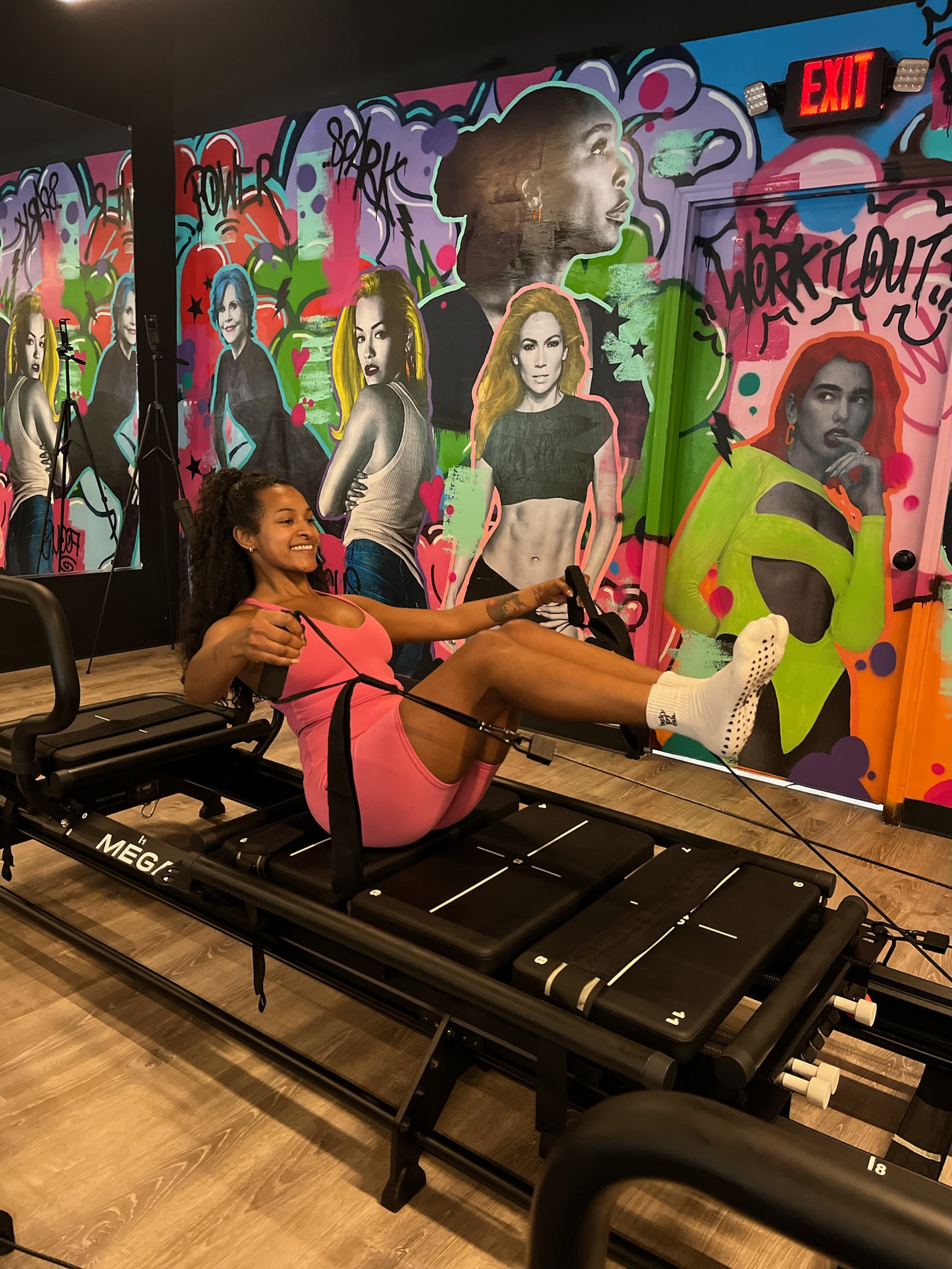
The Lagree Megaformer uses spring-loaded resistance and slow controlled tempos to keep muscles under constant tension for extended periods. This approach produces: strength adaptation through time under tension, cardiovascular demand through sustained effort, and core engagement through instability requirements. Power Core Studio runs Lagree classes across NJ locations.
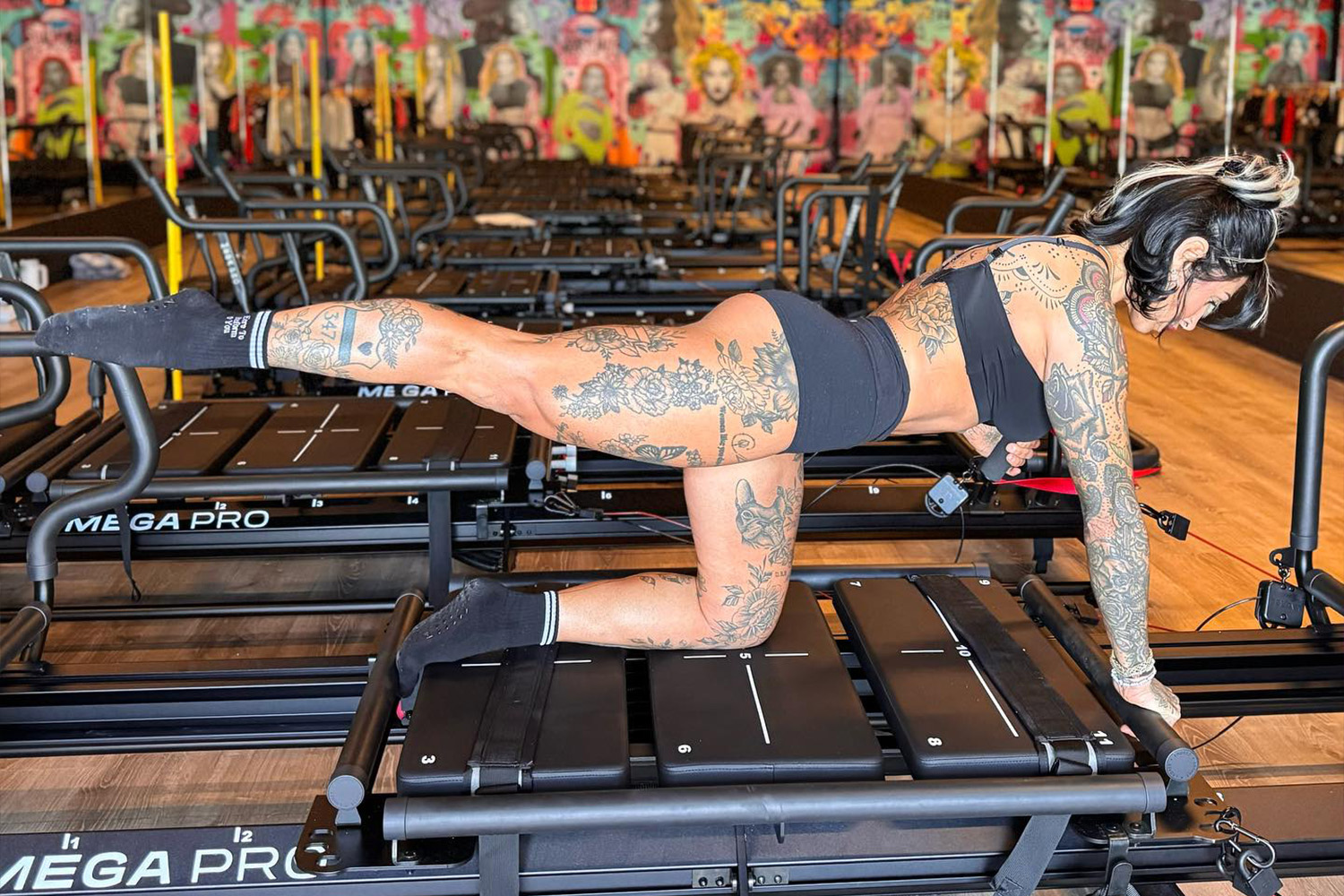
The Science of Time Under Tension
Muscle adaptation responds to time under tension as much as (sometimes more than) absolute load. Slow tempos with moderate resistance can produce strength gains comparable to fast tempos with heavier loads, without the joint stress of heavier weight.
What Results Look Like
Consistent joint-friendly exercise programs produce measurable improvements in: muscle strength and definition, cardiovascular endurance, body composition, functional mobility, and pain reduction for people with existing joint issues. The American Heart Association publishes research supporting low-impact aerobic training.
Who Benefits Most
Three groups benefit most from low-impact workouts. Adults over 40 whose joints accumulated wear from decades of high-impact training. People with existing joint or back issues who cannot tolerate high-impact activity. Beginners who need a sustainable entry point into fitness that does not injure them in the first month.
The Recovery Advantage
low-impact training typically requires less recovery than equivalent-intensity high-impact training. That means you can train more frequently, accumulating more training volume over weeks and months. Long-term consistency beats short-term intensity.
Combining Low Impact Options
The most effective programs combine multiple low-impact modalities. Two Lagree sessions weekly for strength, one steady cycling session for aerobic capacity, and one recovery walk. Variety keeps the program engaging and addresses multiple fitness dimensions.
The Injury Advantage
Low Impact Exercise dramatically reduces training-related injuries. The Mayo Clinic covers the injury reduction benefits of low-impact alternatives. Fewer injuries mean more consistent training, which drives long-term results.
What Low Impact Does Not Replace
Bone density benefits from some weight-bearing activity, so pure Low Impact Exercise programs benefit from occasional load. Athletic performance requiring explosive power may still need power development in specific windows. But for general fitness, health, and body composition, low-impact is genuinely sufficient.
Common Misconceptions
Three misconceptions persist. That low impact means low results (wrong). That you need to run to build cardio (wrong; multiple alternatives work). That intensity requires impact (wrong; time under tension and metabolic demand can substitute).
Building a Sustainable Program
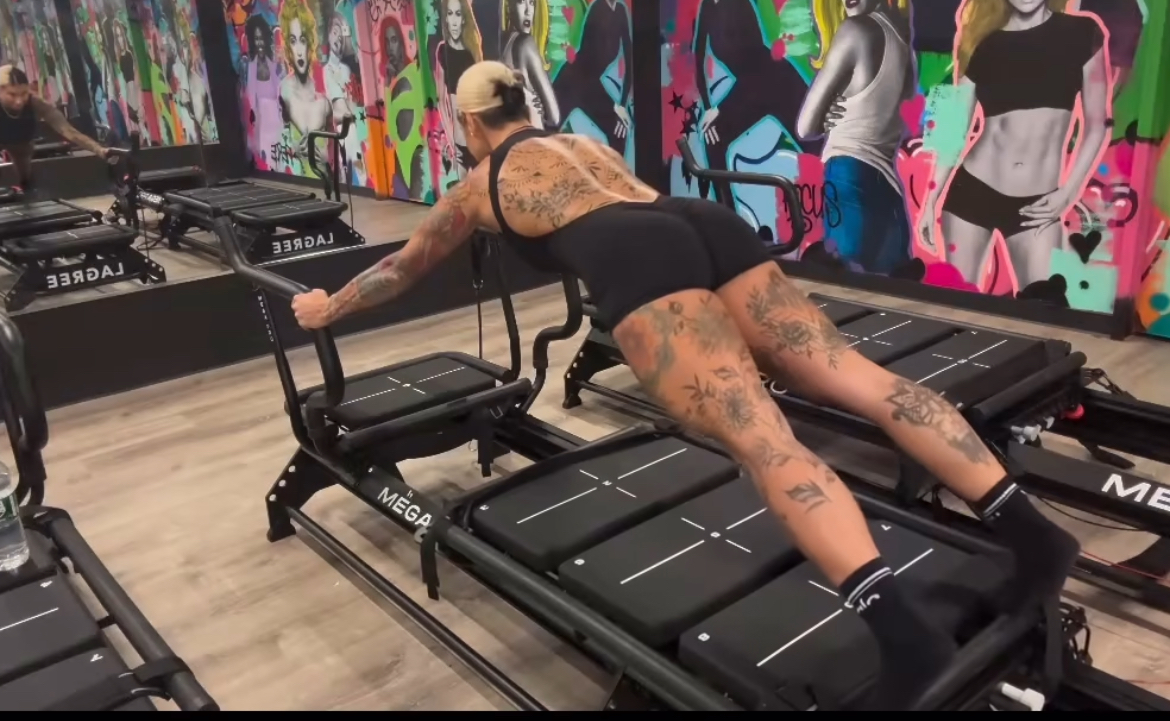
Consistency beats intensity. Two Lagree sessions a week for a year deliver more health benefit than four weekly for a month followed by burnout. Sustainable programming is the meta-skill of long-term fitness. The Power Core Studio schedule supports sustainable weekly commitments.
Modifications and Progression
Low Impact Exercise adapts easily to different fitness levels. Beginners can access the same movements as advanced practitioners with modified resistance and support. Progression happens through: increased resistance, longer time under tension, more complex movement combinations, and reduced rest between exercises.
The Lagree Method in Practice
A 45-minute Lagree class combines slow-tempo strength work, cardiovascular demand from sustained effort, and continuous core engagement. Sessions produce whole-body fatigue in a genuinely joint-safe format. Beginners can join at any time; the format scales with your ability.
Getting Started with Power Core
Power Core Studio runs Lagree classes across NJ locations. The orientation page walks new participants through the format. The community page covers the support system around consistent practice.
FAQs
Can Low Impact Exercise really match high-impact results?
For strength, cardio, and body composition, yes. For pure explosive power development, some high-impact work may add value.
How often should I train?
2-4 sessions per week combined with active recovery on off days works for most people.
Is Lagree suitable for beginners?
Yes. The format accommodates all fitness levels. Power Core Studio’s orientation covers first-timer questions.
Do I need equipment at home?
For Lagree specifically, no. The Megaformer is available at studios. Other Low Impact Exercise options work at home with minimal equipment.
Where can I try Lagree in NJ?
Visit our website for locations, schedule, and getting-started details.