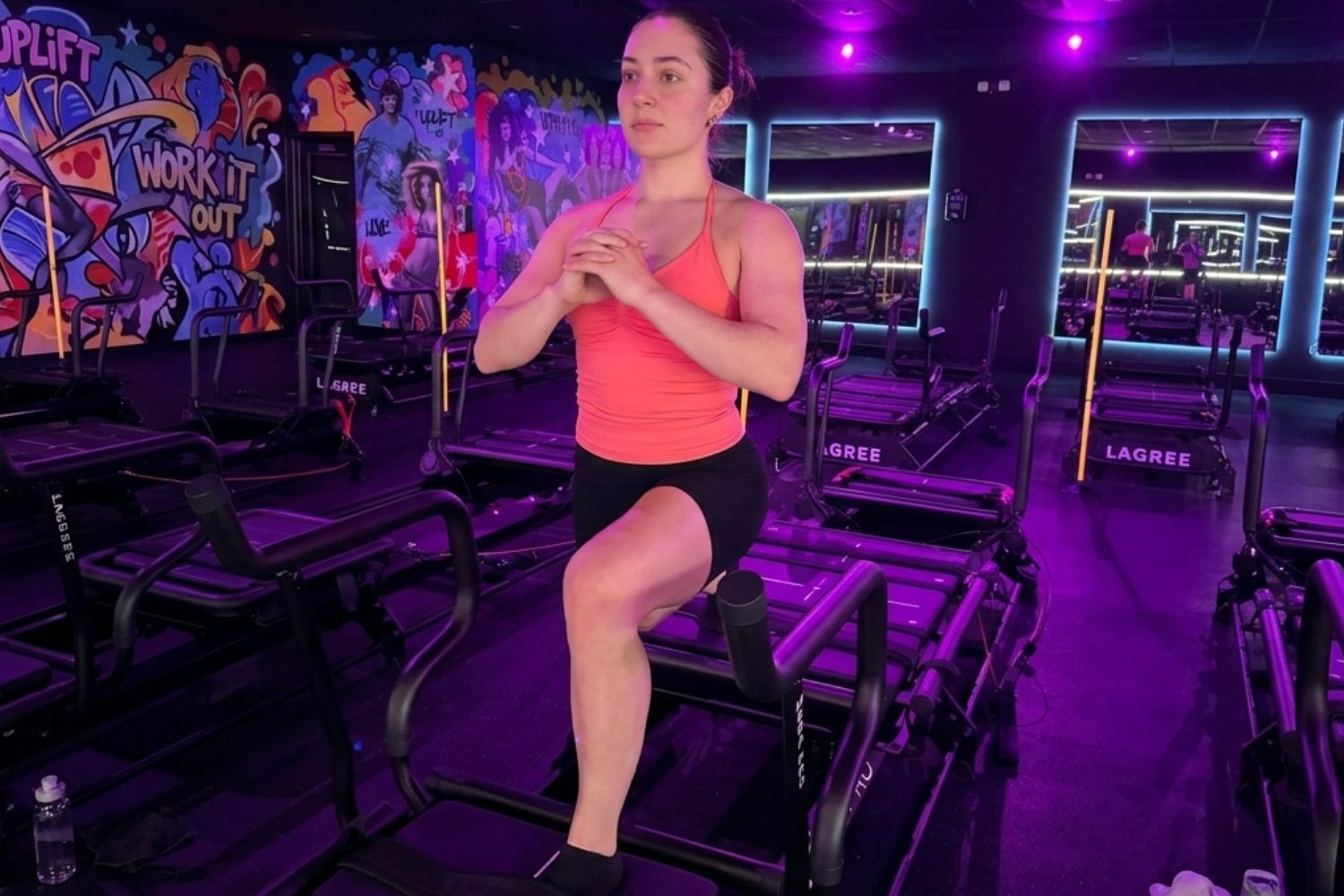
Below is a practical look at why Lagree for Pro Athletes keeps spreading through performance-training circles, and what actually happens on the Megaformer during a session built for sport.
The Megaformer Is Not a Gentle Reformer
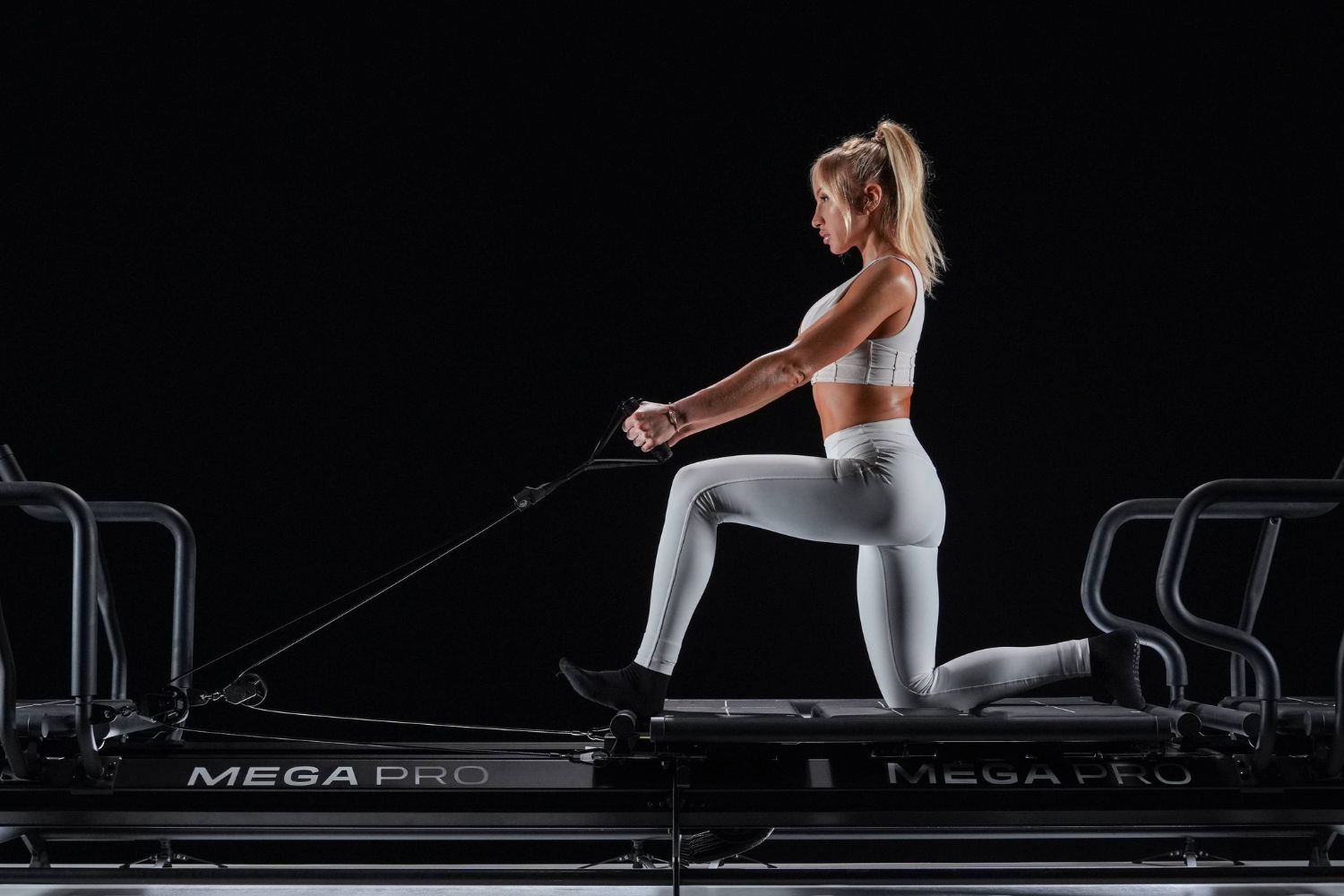
The Lagree Megaformer was designed by Sebastien Lagree to push a reformer-style carriage into high-resistance territory. It carries double the spring load of a classic Pilates reformer and has more than 180 patents behind its build. That matters for an athlete. A machine built for rehab tempo cannot deliver the loading a 220-pound tight end needs. The Lagree Megaformer can. Resistance scales, rest periods shrink to seconds, and every move sits inside a slow tempo that keeps muscle fibers under tension for 60 seconds or more.
Most Lagree Training sessions last 40 to 50 minutes. Inside that window, athletes hit every major muscle group with almost no impact on the knees, hips, or spine. Strength coaches like the tradeoff. You keep the nervous-system benefit of heavy work without adding more pounding to a body that already runs, sprints, and collides for a living.
Why Lagree for Pro Athletes Keeps Catching On
Three reasons keep showing up in conversations with trainers who work with professionals.
The first is core control under real load. Football, basketball, and baseball all demand rotational power from a braced core. Lagree Training builds that quietly. Slow tempos on the Megaformer force the transverse abdominis, obliques, and glutes to stabilize against springs that never let up. That kind of control carries over to sport-specific movement in ways a standard plank never does.
The second is joint-friendly intensity. The low-impact, high-intensity format reduces the risk of overuse injuries during heavy training blocks [2]. For an NBA guard playing 82 games, or a pitcher asked to log 180 innings, adding more pounding on recovery days is a losing trade. Lagree gives coaches a way to train strength, endurance, and mobility in one session without loading the joints.
The third is time. Pros do not have 90 minutes to spare on an auxiliary workout. A 45-minute class produces strength, cardiovascular, and stability work in a single block. That is why so many off-season programs now carve out two or three Lagree slots a week.
Recovery, Mobility, and the Off-Season Edge
During the season, athletes cannot afford to show up sore from their training room. The time-under-tension format of Lagree Training produces a muscular stimulus without the delayed onset soreness that heavy barbell work can produce. Active recovery, essentially.
In the off-season, the math changes. Strength coaches use Lagree for Pro Athletes as a bridge between hypertrophy blocks and the return to sport-specific training. The Megaformer’s variable resistance lets an athlete train unilaterally, in split stances, and through long ranges of motion. That combination helps the body re-learn postural control after months of high-load lifts. It also exposes weak links fast. A pitcher who can squat 400 pounds can still fall apart in a single-leg Lagree sequence. The Megaformer surfaces the imbalance, then helps correct it.
Eccentric control is another quiet win. Every Lagree Training rep loads the muscle slowly on the way out and on the way back, which is the same loading pattern that protects hamstrings, rotator cuffs, and patellar tendons during sport. For athletes coming back from soft-tissue injuries, that kind of controlled eccentric work is often the missing piece between feeling ready and being ready. The Megaformer makes it easy to dose.
What a Pro-Level Lagree Session Looks Like
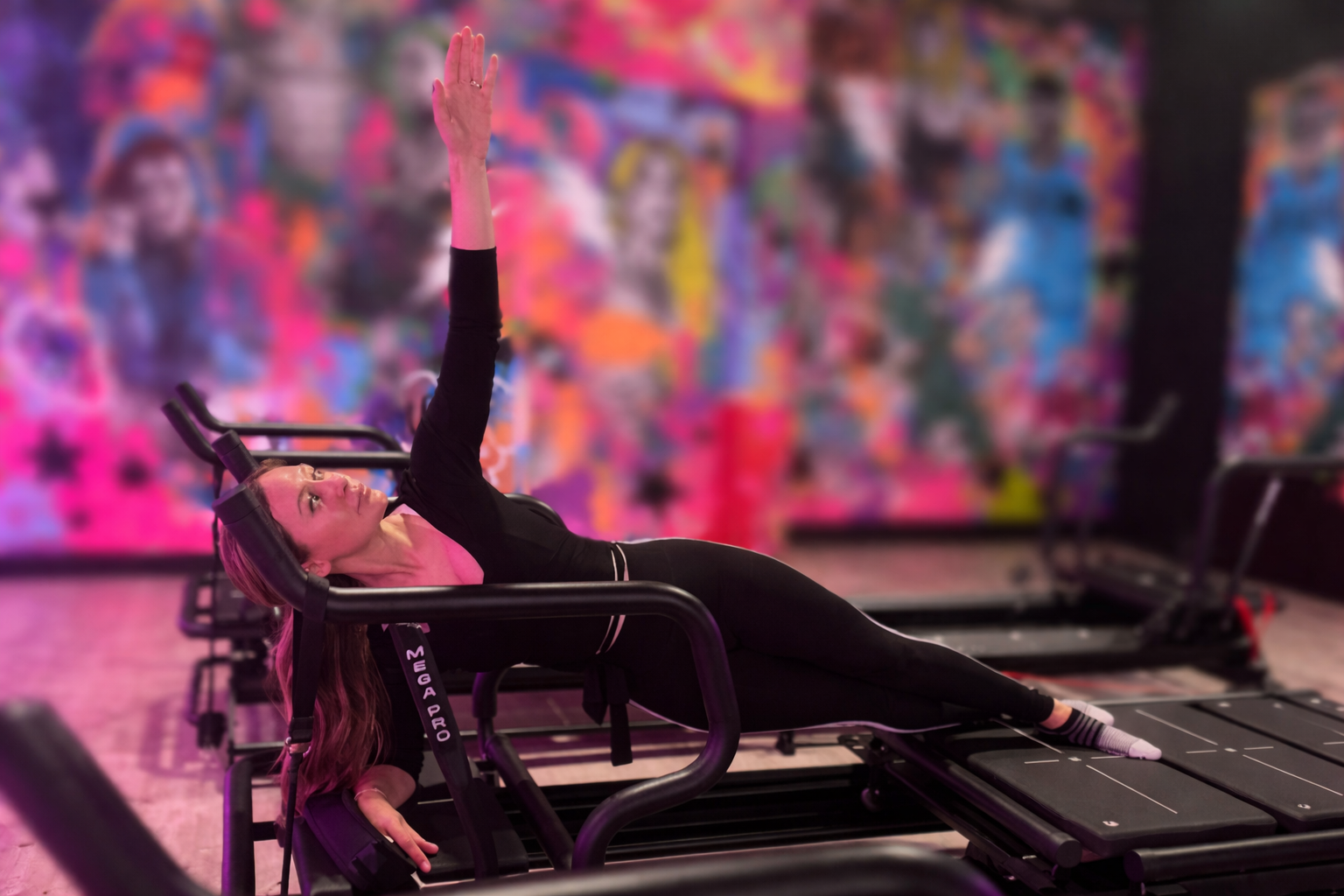
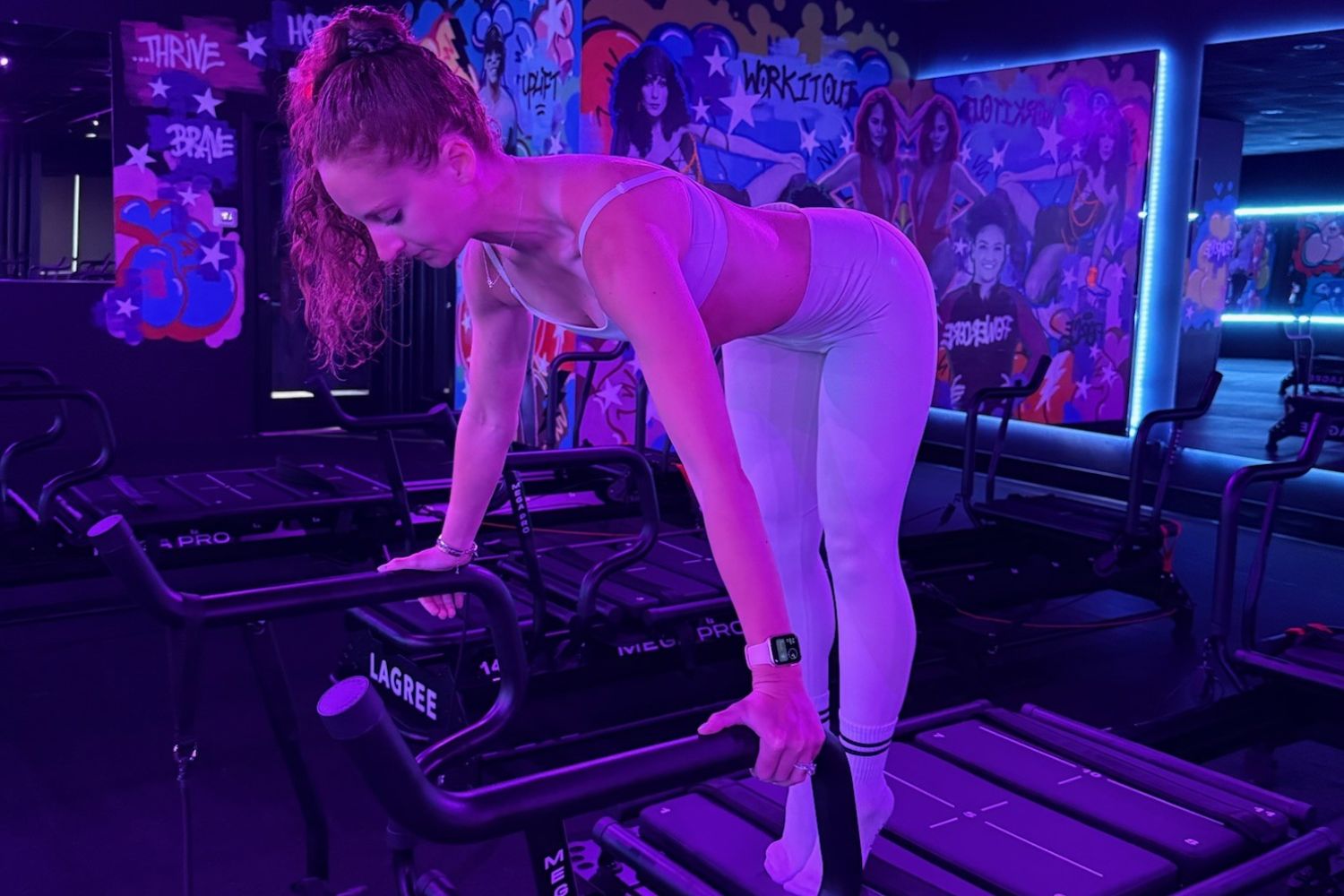
A standard pro session tends to mix three themes: unilateral lower body, anti-rotation core, and long-lever upper-body work. A coach might sequence a wheelbarrow, a French twist, and a scrambled egg back-to-back. These are essential moves on the Megaformer. The athlete spends 60 to 90 seconds per exercise, breathing hard, with heart rate holding at zone two or three for most of the class. No jumping. No impact. Just controlled tension the whole way.
That is the quiet reason Lagree Training keeps getting added to programs. It is hard without being punishing. The stimulus is real and the recovery cost is low.
Building a Smarter Performance Program at PowerCore Studio
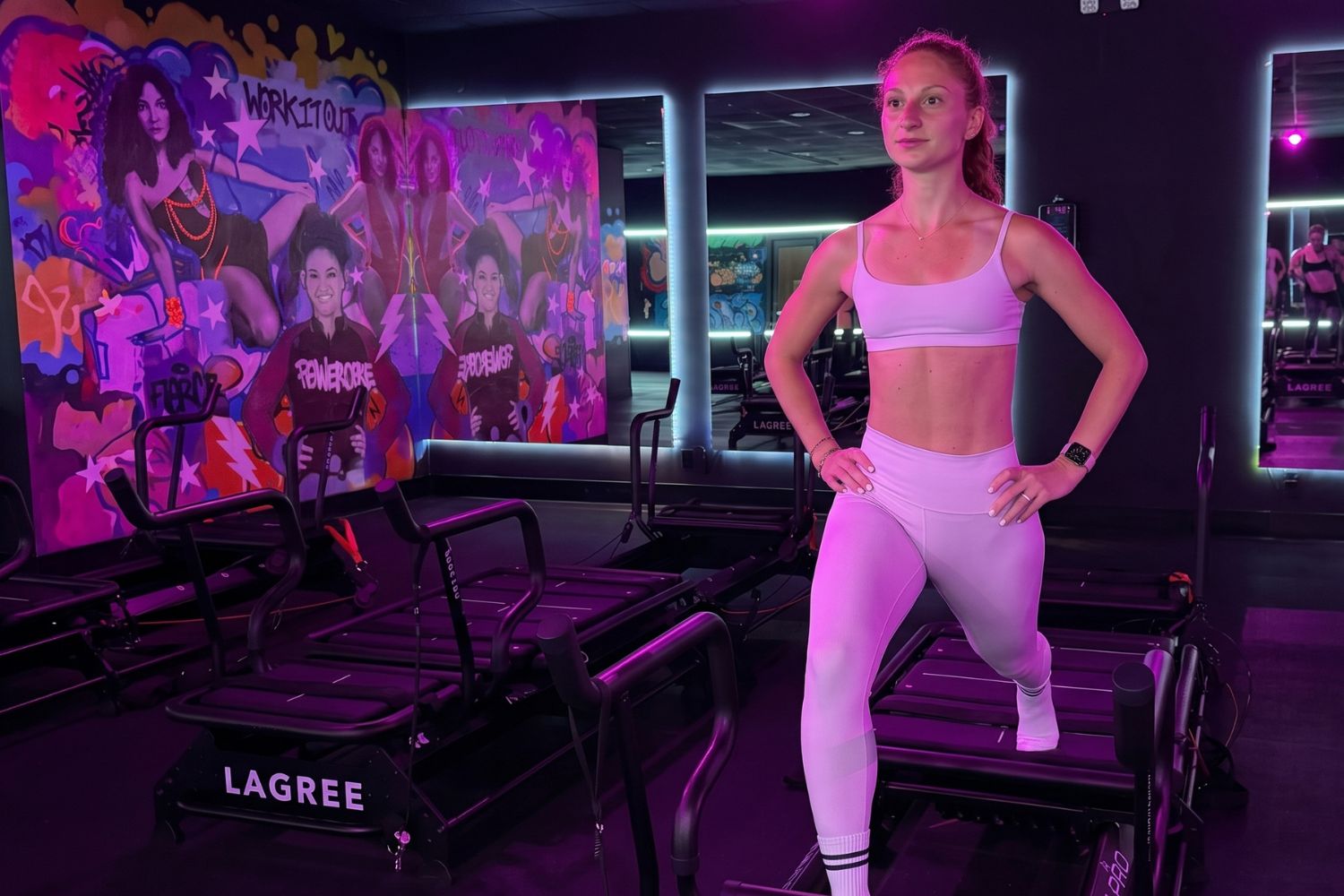
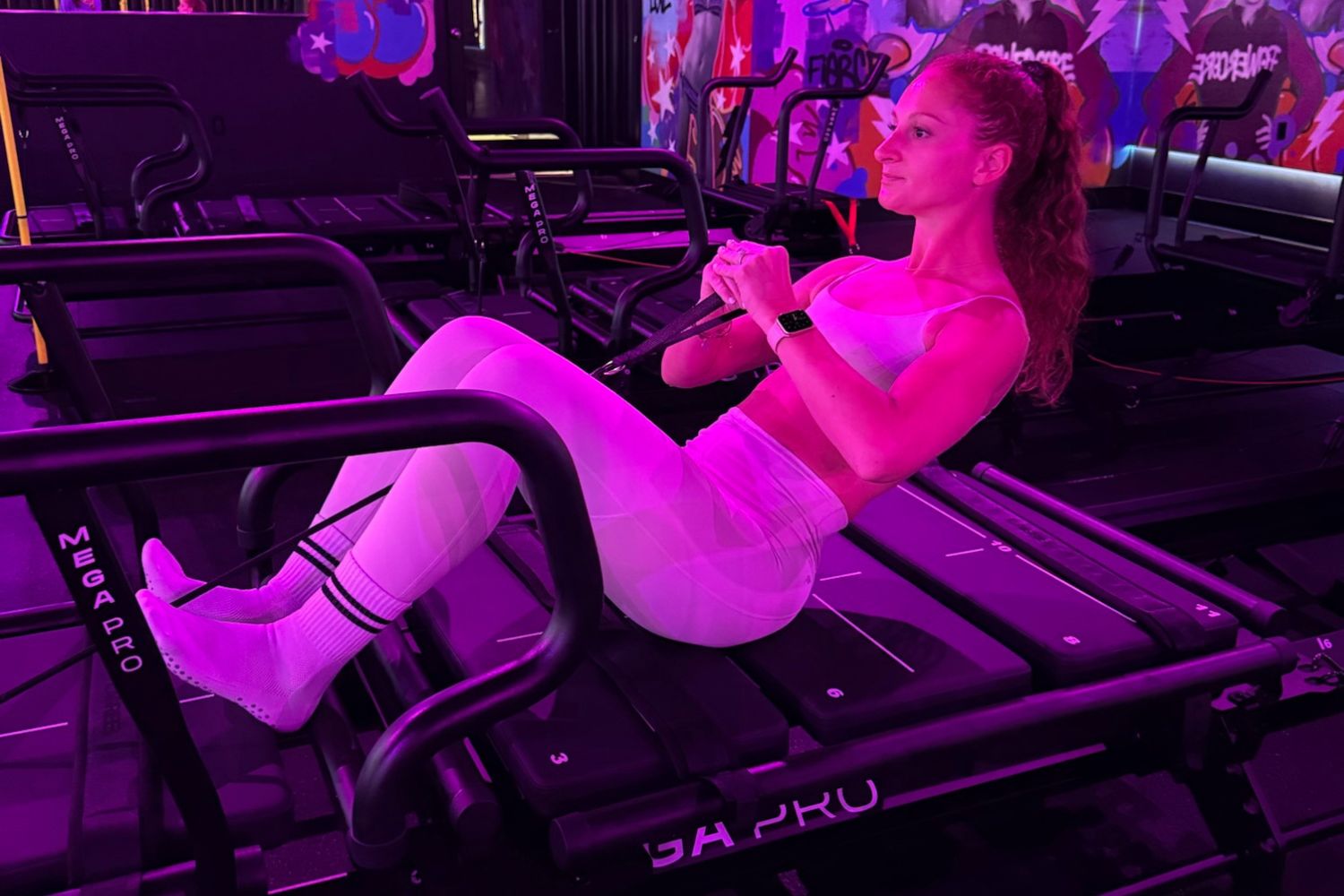
PowerCore Studio runs one of the most complete Lagree programs in New Jersey. The studio uses the Megaformer Pro, the newest version of Sebastien Lagree’s machine, and its instructors are certified in the method directly through Lagree Fitness [3]. Sessions are 45 minutes, capped to small class sizes so coaches can correct form in real time. That setup matters for athletes. A missed cue on a Megaformer can turn a strength exercise into a compensation pattern, and compensation patterns turn into injuries.
For pros, club athletes, and anyone training with a performance goal, PowerCore Studio offers programming that scales with the body in front of it. Runners rehabbing a hip, golfers building rotational power, and weekend warriors working around a bad shoulder all share the same floor, each getting a version of Lagree Training built to their needs. To see it firsthand, book a session at one of the three locations in Middletown, Freehold, or Piscataway.
Frequently Asked Questions
How often should an athlete do Lagree Training?
Two to three Lagree Training sessions per week is the standard prescription for visible results, with at least one day of recovery between sessions. Pros in-season often drop to one or two to protect freshness.
Is Lagree harder than Pilates?
Yes. Lagree uses double the spring resistance of a classic Pilates reformer, shorter rest periods, and a constant time-under-tension format. Pilates focuses on controlled alignment. Lagree layers strength, endurance, and cardiovascular load on top of that.
Will Lagree replace weightlifting for athletes?
No. It works alongside strength training, not in place of it. Pros use the barbell for maximal force production and Lagree for stability, endurance, and low-impact conditioning.
Is the Megaformer safe for recovering athletes?
It is one of the safest ways to train intensely with a joint issue, which is why many pros use it during rehab blocks. Always confirm with a coach and medical team first.
How soon do pros see results?
Most report visible changes in strength and stability inside three to four weeks of training twice a week.
References